TRAINING
“FMS Training is a high-level professional training center focused on academic and clinical excellence.
We work with a rigorous, personalized educational model, developed in highly demanding clinical settings, with locations in Buenos Aires and Madrid, under international standards of quality and academic consistency.”
ON-LINE
MASTER PLAN
BUILD-UP
BOPT
ISOLATION

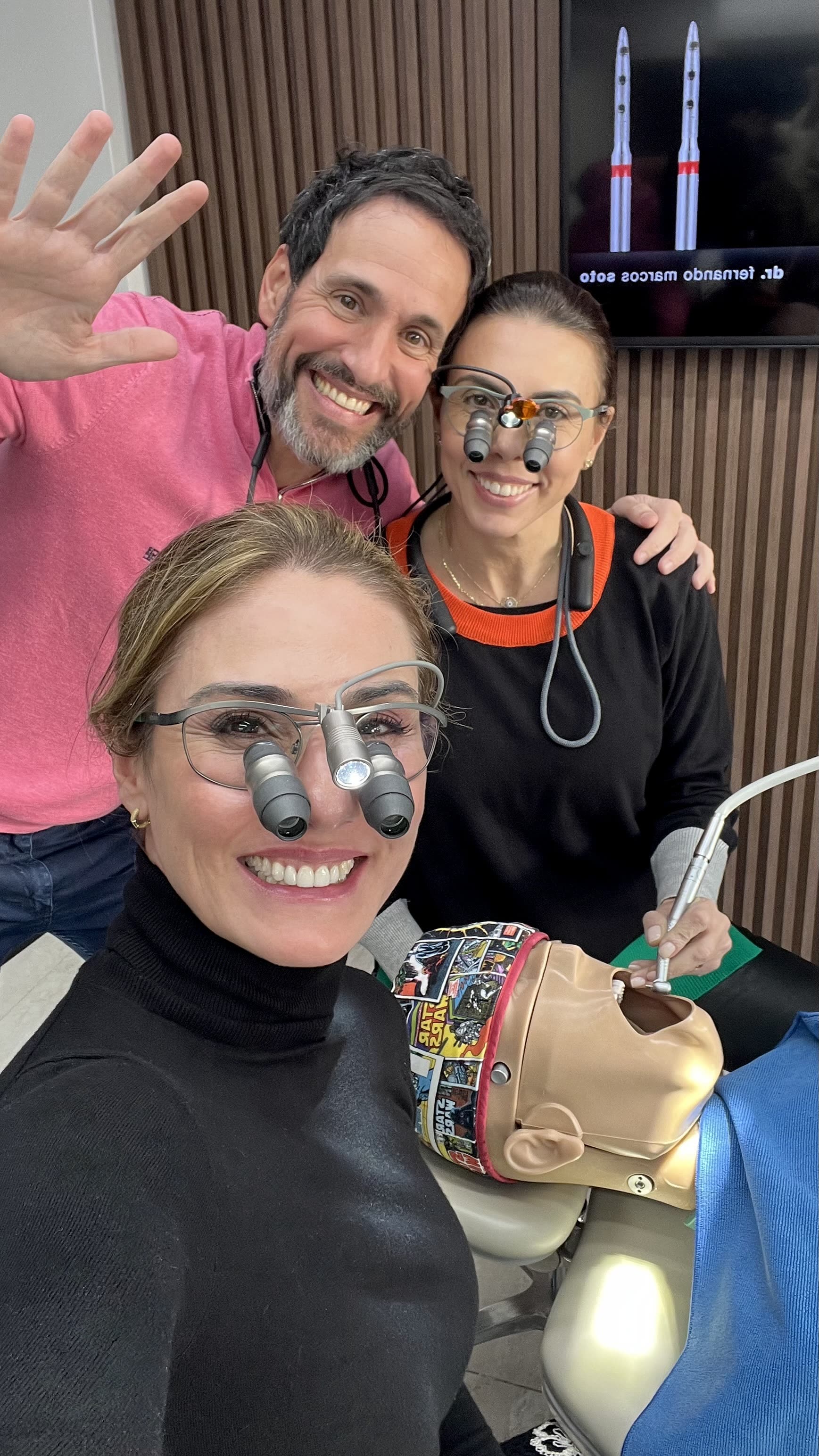
Me encantó Porcelain!!! Siempre en la búsqueda de la excelencia! Como siempre, un placer escucharte.
Encantada de poder compartir con el Dr. Fernando estos días, y agradecida de todo lo que hacia y enseña... Cómo se nota su pasión por nuestra profesión! Gracias.
ONE & TWO
a personalized course for one or two participants
Our personalized courses are designed to adapt completely to your professional needs, letting you learn at your own pace and go deeper into the topics that interest you most. Whether individually or as a pair, we offer an exclusive experience that combines theory, practice and personal guidance.
Overview:
An initial assessment over Zoom to identify your needs
and design a tailor-made program.
Duration: From intensive 4-8 hour sessions to programs lasting several days.
Investment: Based on duration and level of personalization.
Each session is designed around your
specific needs and goals.
In person or online.
Topics tailored to you.

BOPT WORKSHOP
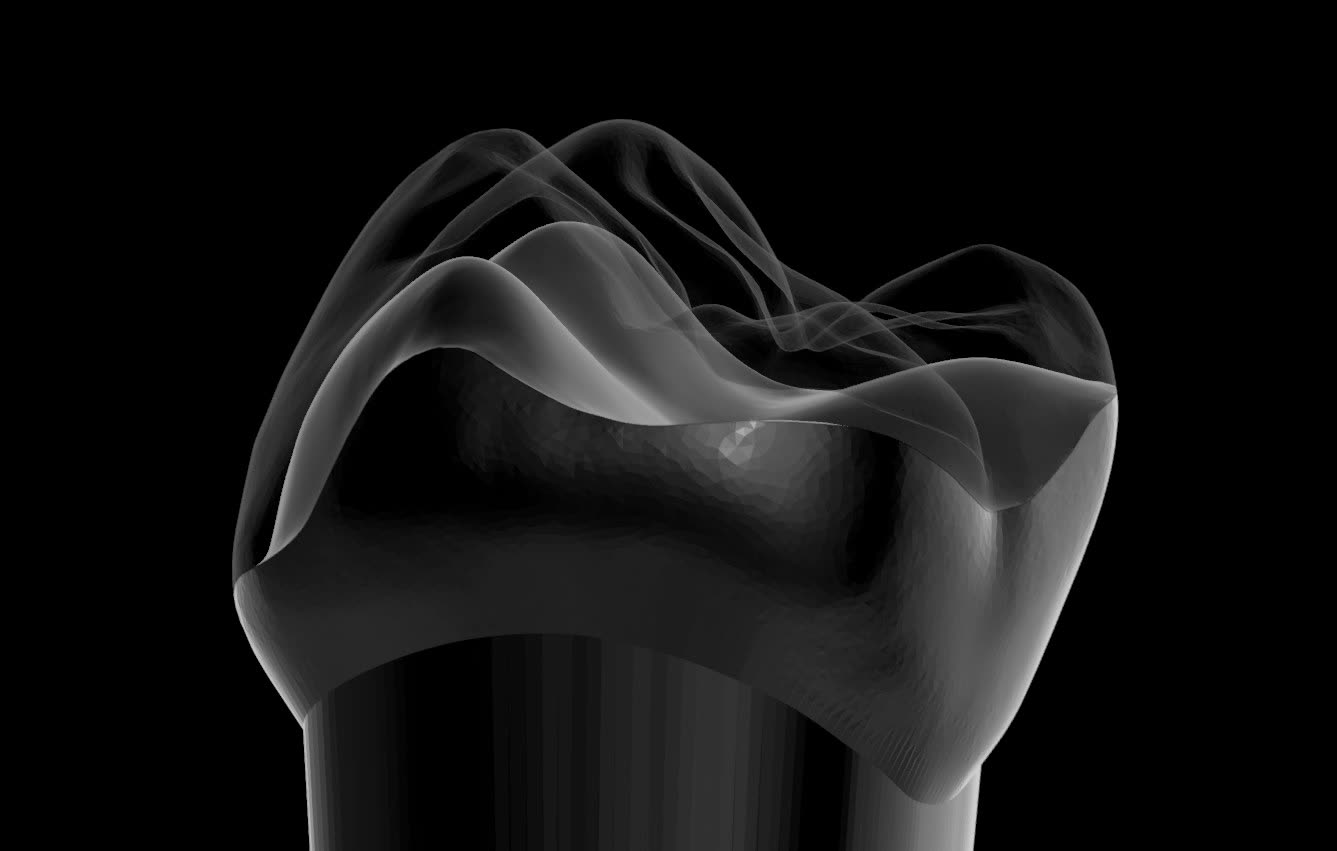
This course was designed to simplify the understanding of a technique that will help you achieve excellent clinical results. Over two days we will focus on the theoretical analysis and understanding of the tooth preparation technique and the correct management of the provisional restoration to reach the planned results. The course includes two hands-on sessions where we will apply the procedures described.

TITANIUM WORKSHOP
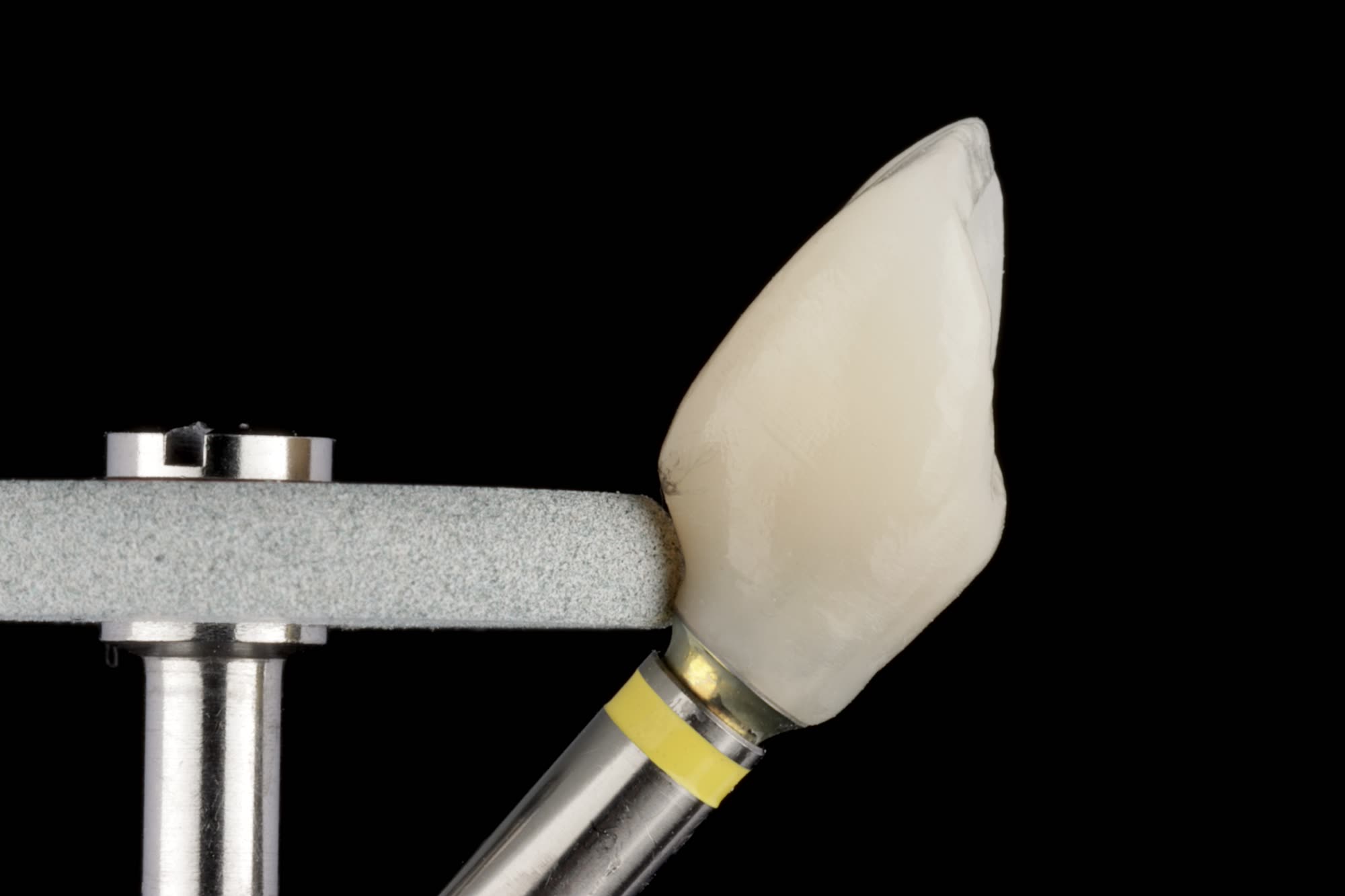
This course is organized to approach implant rehabilitation based on the final project: whether we plan crowns or bridges, a hybrid prosthesis or an overdenture. Based on this classification, we will analyze the creation, transfer and reproduction of the emergence profile in crowns & bridges, then move step by step through the construction of a hybrid prosthesis and all its variants, and finally address rehabilitation with overdentures. Over three intensive days we combine theoretical analysis with different hands-on sessions so you can better understand each procedure.
PORCELAIN WORKSHOP
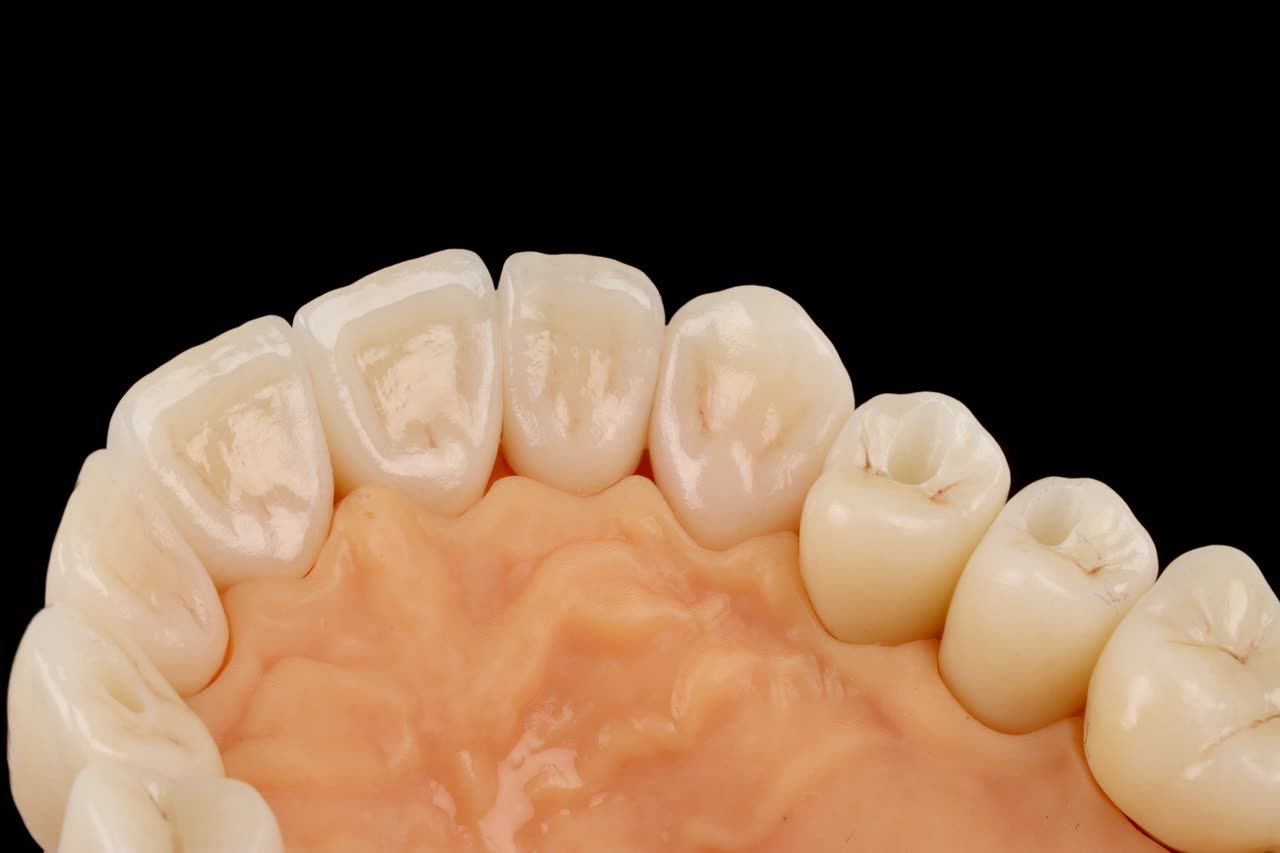
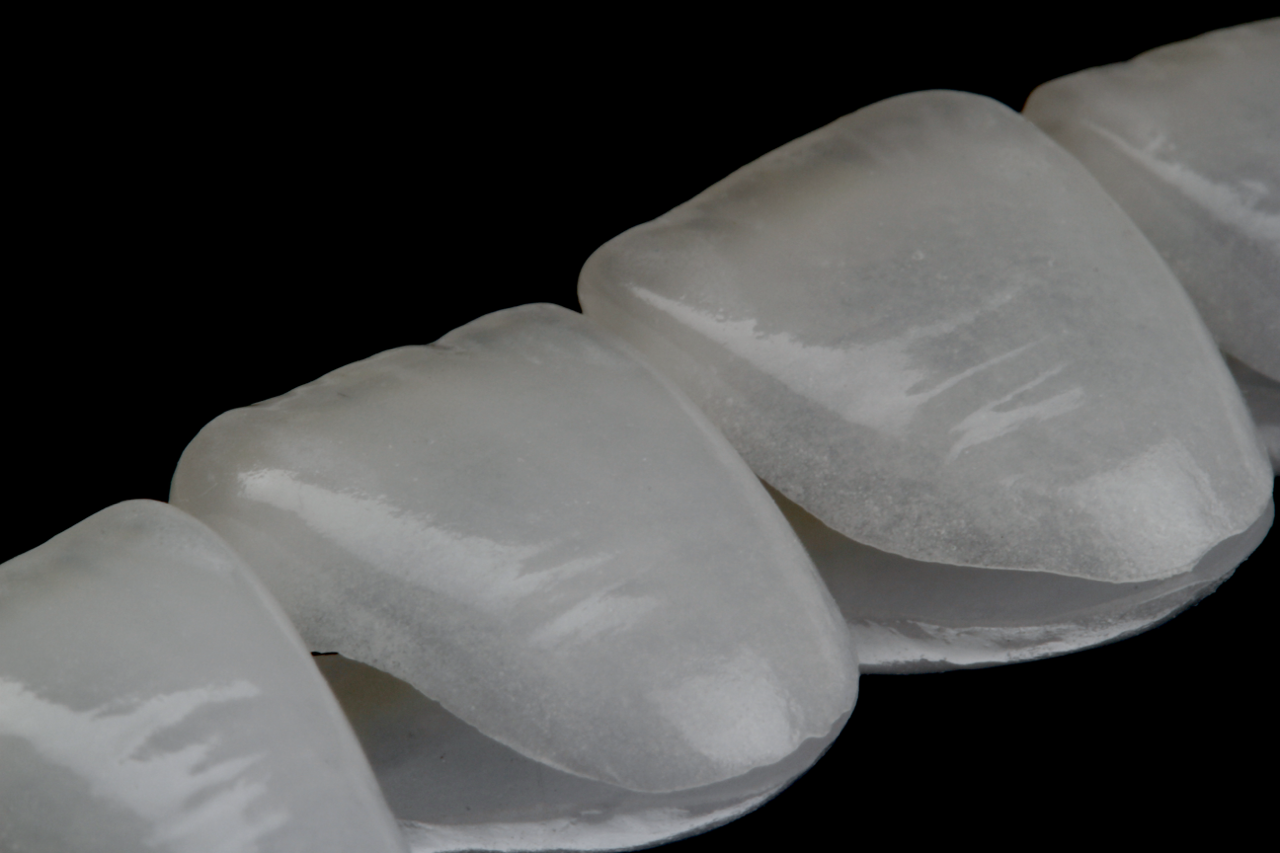
This course was designed for professionals to understand the different types of rigid partial and full preparations and to be able to apply them in their daily practice using conservative procedures. To do so, we will analyze the entire clinical and laboratory process, from diagnosis and planning to the long-term maintenance of cemented restorations. We will also review the new technologies and materials (feldspathic ceramics, lithium disilicate and zirconia) that significantly reduce the wear of natural tooth structure and allow restorative treatments with a better prognosis. Throughout the course we will carry out different hands-on sessions on simulators to make all the tooth preparations easier to understand.
FULL MOUTH WORKSHOP
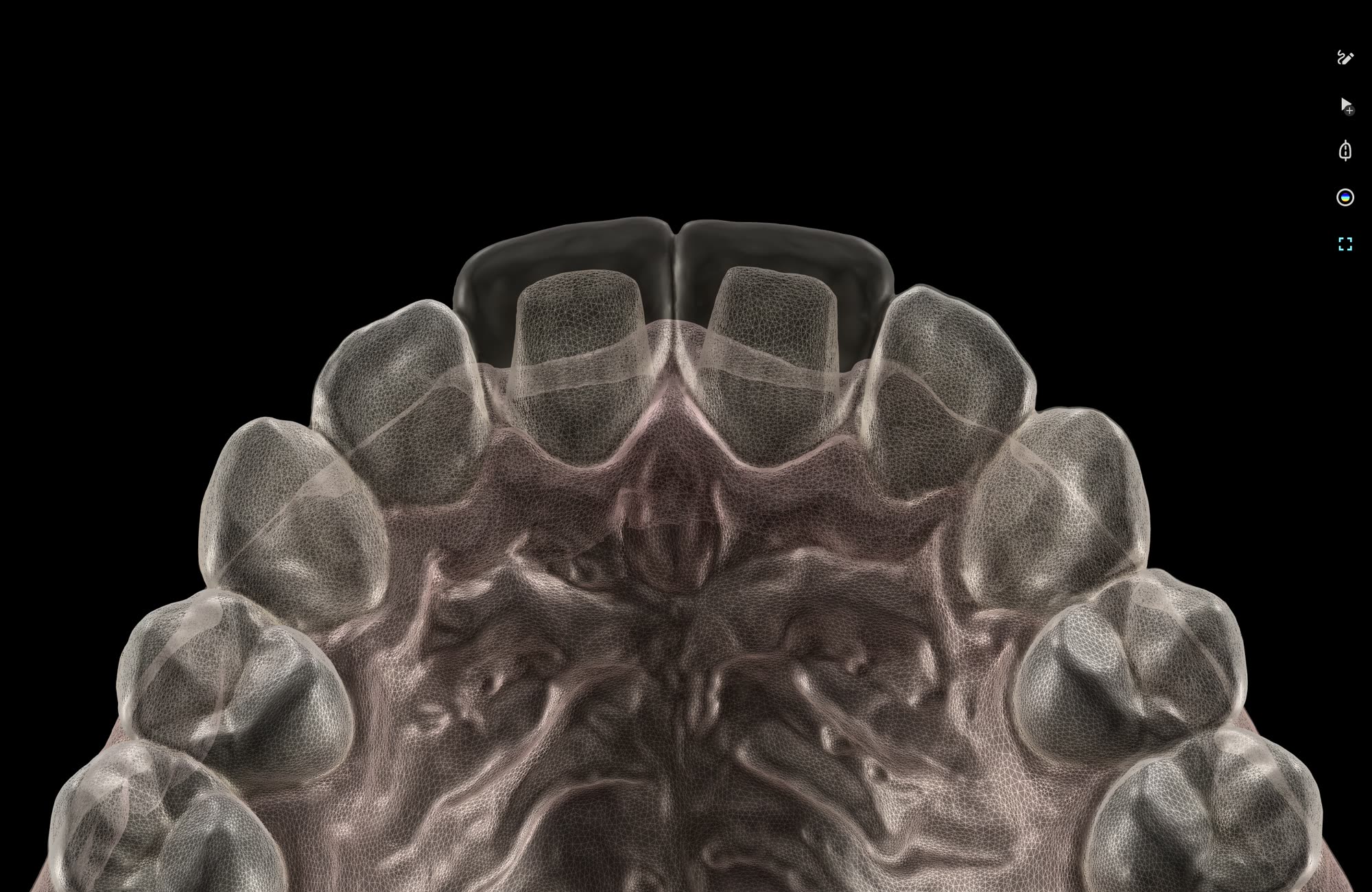
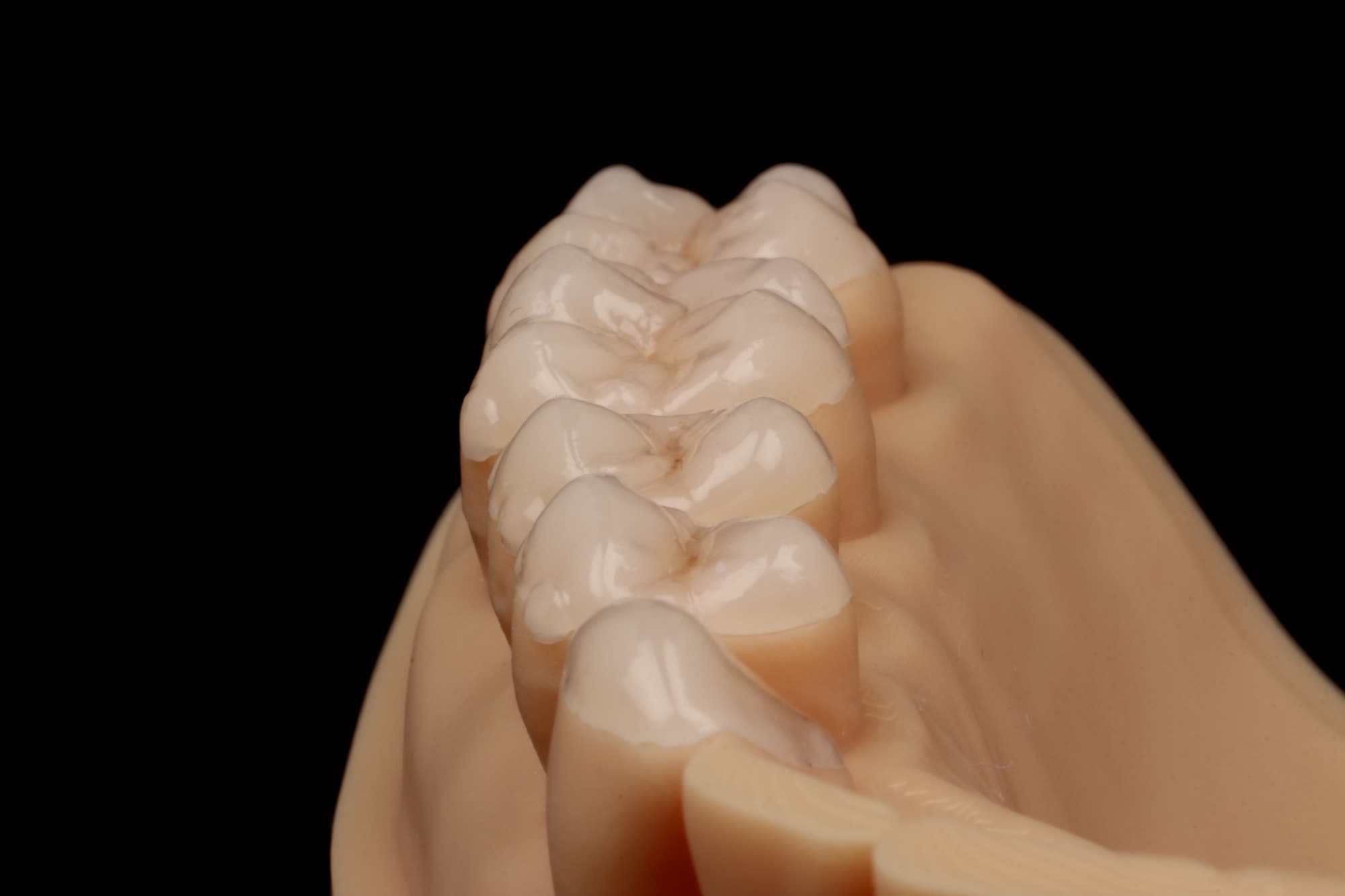
This course was designed so you can understand when and how to modify a patient's vertical dimension. Through different hands-on sessions you will carry out a provisional rehabilitation with injected and impacted composite restorations following a 100% digital workflow, and so project the future rehabilitation of the system, where we can evaluate function and aesthetic integration. Finally, we will analyze in depth the different anterior and posterior partial preparations needed to complete the rehabiliss-ceramic restorations.
SPLINT WORKSHOP
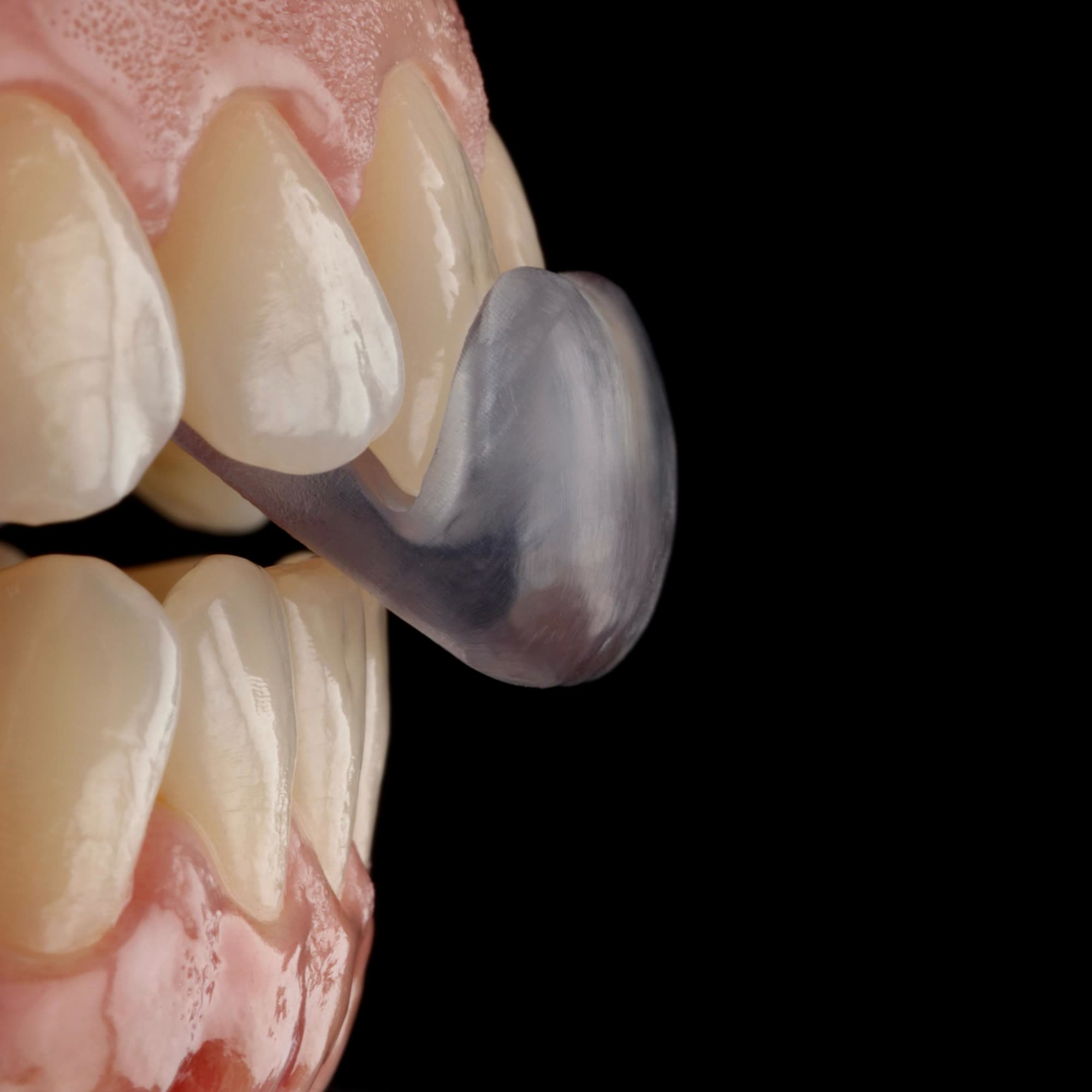
This course has been carefully designed for professionals to the fundamentals of using neuromuscular relaxation (NMR)splints. We will begin by analyzing the biomechanics of the stomatognathic system, covering key concepts such as occlusion in centric relation, vertical dimension and the importance of respecting the interocclusal rep by step through the digital design of an NMR splint and thedifferent types of Lucia jig (I, II and III), within a fully digital workflow. Finally, we will explore the manufacturing process, weighing the advantages and considerations of using 3D printers and milling machines tmprehensive approach will allow participants to mastereverything from planning to clinical execution, optimizing therapeutic results.
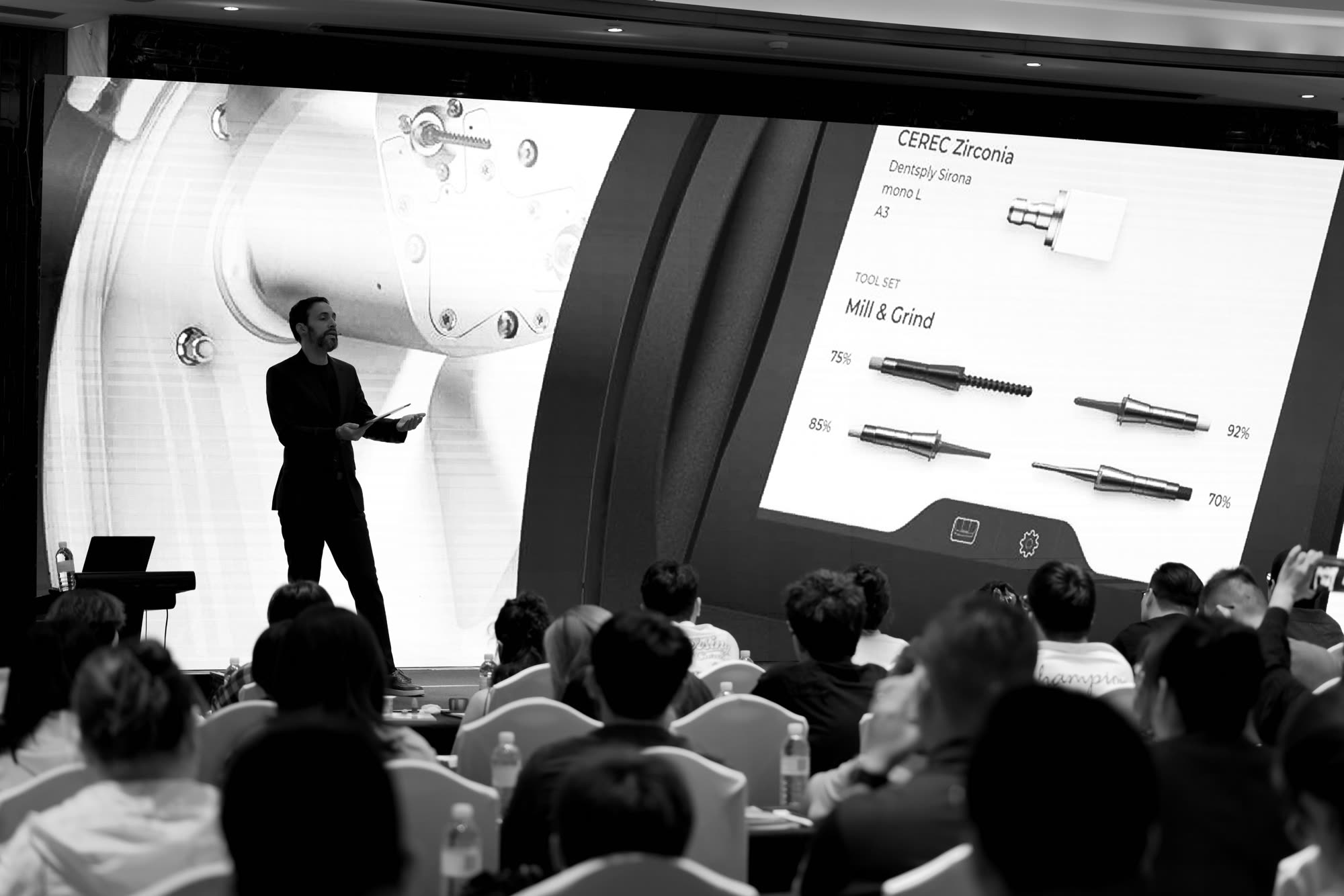
#SHANGHAI
DESIRE



TEAM
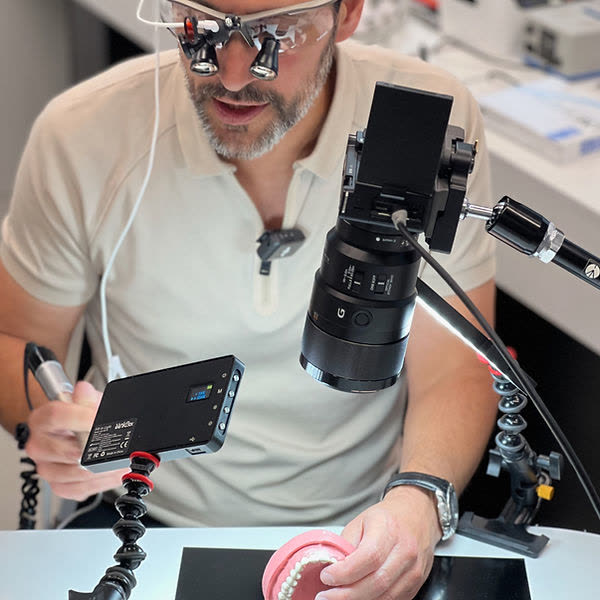
FERNANDO SOTO
-
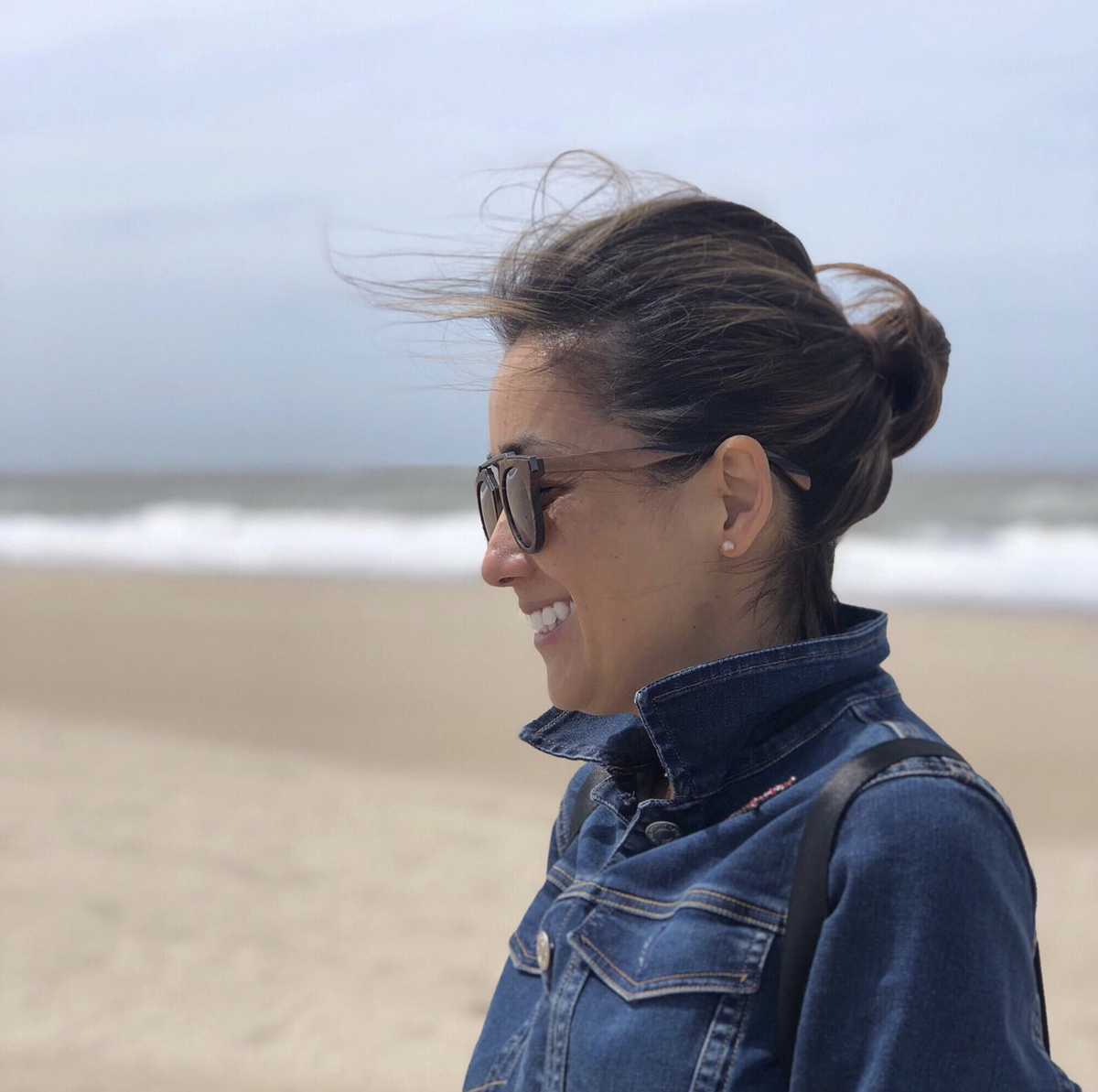
VALERIA ITO
-